

If you’ve ever picked up a fruity, dessert, or candy-inspired vape flavour and wondered whether it comes with hidden calories, you’re not alone. It’s a common question—especially for anyone who’s health-conscious or watching their weight. After all, when something tastes sweet, we naturally associate it with sugar and calories.
The short answer is simple: vaping does not contribute calories to your body in any meaningful way. But to fully understand why, we need to look a little deeper into the science behind e-liquids, how the body processes substances, and where the confusion comes from in the first place.
This guide breaks everything down clearly, using facts—not myths—so you can vape with confidence.
Table of Contents
Key Takeaways at a Glance
- Vaping is effectively calorie-free in real-world terms
- Calories must be ingested, not inhaled, to be metabolised
- Sweet vape flavours do not contain sugar
- PG and VG technically contain calories, but your body does not absorb them through inhalation
What Is E-Liquid Made Of?
To understand whether vapes contain calories, you first need to know what’s actually inside your vape juice.
All reputable, UK-compliant e-liquids—like those stocked at The Vape Experts—are made from four main ingredients:
1. Propylene Glycol (PG)
A thin, odourless liquid that carries flavour efficiently and provides a throat hit similar to smoking.
2. Vegetable Glycerin (VG)
A thicker liquid responsible for vapour production. VG also has a naturally mild sweetness.
3. Flavourings
Food-grade flavour concentrates that create everything from fruity blends to dessert-inspired profiles.
4. Nicotine (optional)
Included in many e-liquids, particularly for those transitioning away from cigarettes. Also available in nicotine-free options.
The calorie question mainly revolves around PG and VG, as these are the only ingredients that technically contain energy.


Do E-Liquids Actually Contain Calories?
Here’s where things get slightly technical—but stay with it, because this is where the myth gets cleared up.
The Technical Answer: Yes… But Not in the Way You Think
Propylene Glycol and Vegetable Glycerin are classified as carbohydrates (specifically sugar alcohols). Because of this, they do contain calories on paper.
- A typical 10ml bottle of e-liquid contains around 40–50 calories
However—and this is the crucial point—those calories are not absorbed by your body when you vape.
Why Vaping Doesn’t Add Calories to Your Body
The reason vaping doesn’t contribute to your calorie intake comes down to a simple but important concept:
👉 Inhalation vs. Ingestion
For your body to gain calories, substances must be:
- Consumed (eaten or drunk)
- Processed by the digestive system
- Broken down and metabolised into energy
When you vape, none of this happens.
Instead:
- Vapour is inhaled into the lungs, not swallowed
- It bypasses the digestive system entirely
- There is no metabolic processing of calories
Because of this, the body does not convert vape ingredients into usable energy.
The Bottom Line
Even though e-liquid ingredients technically have calories, they are biologically irrelevant when inhaled.
In practical terms:
👉 Vaping is considered zero-calorie
-
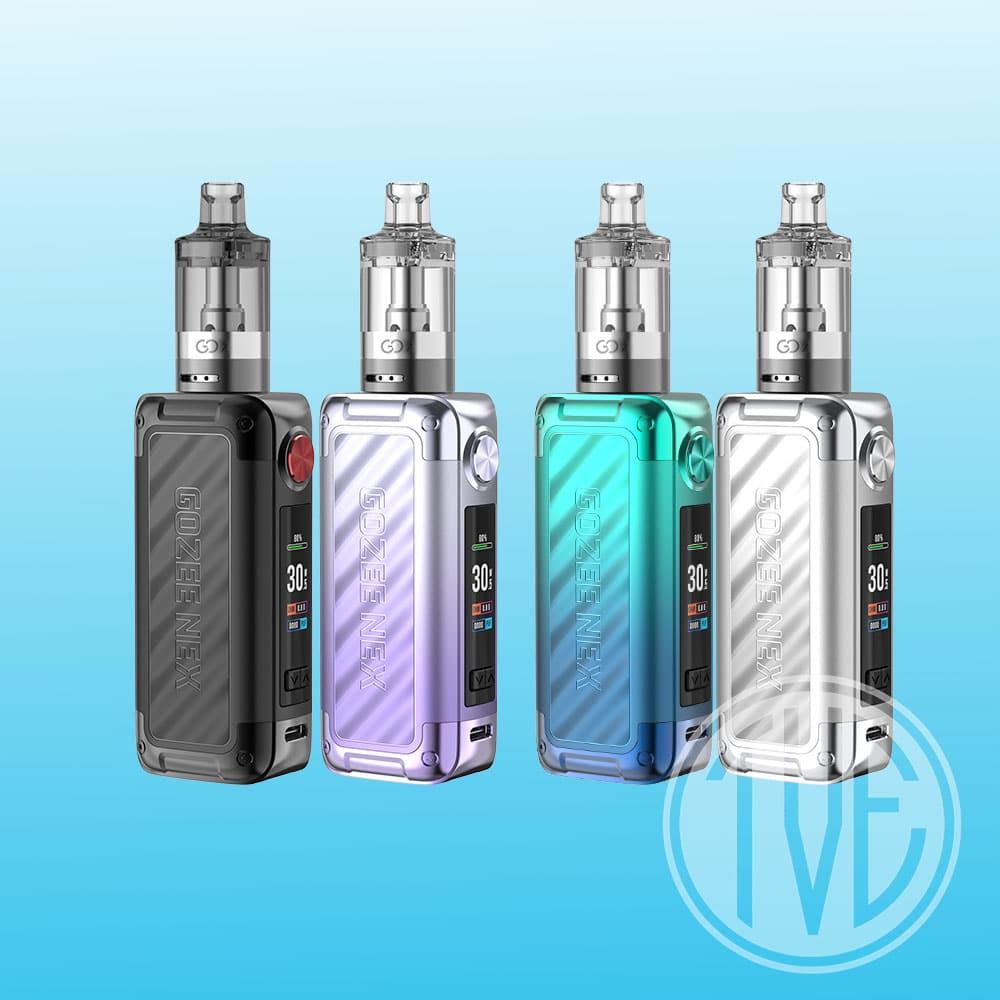


Innokin GOZEE NEX Vape Kit
£34.99 -
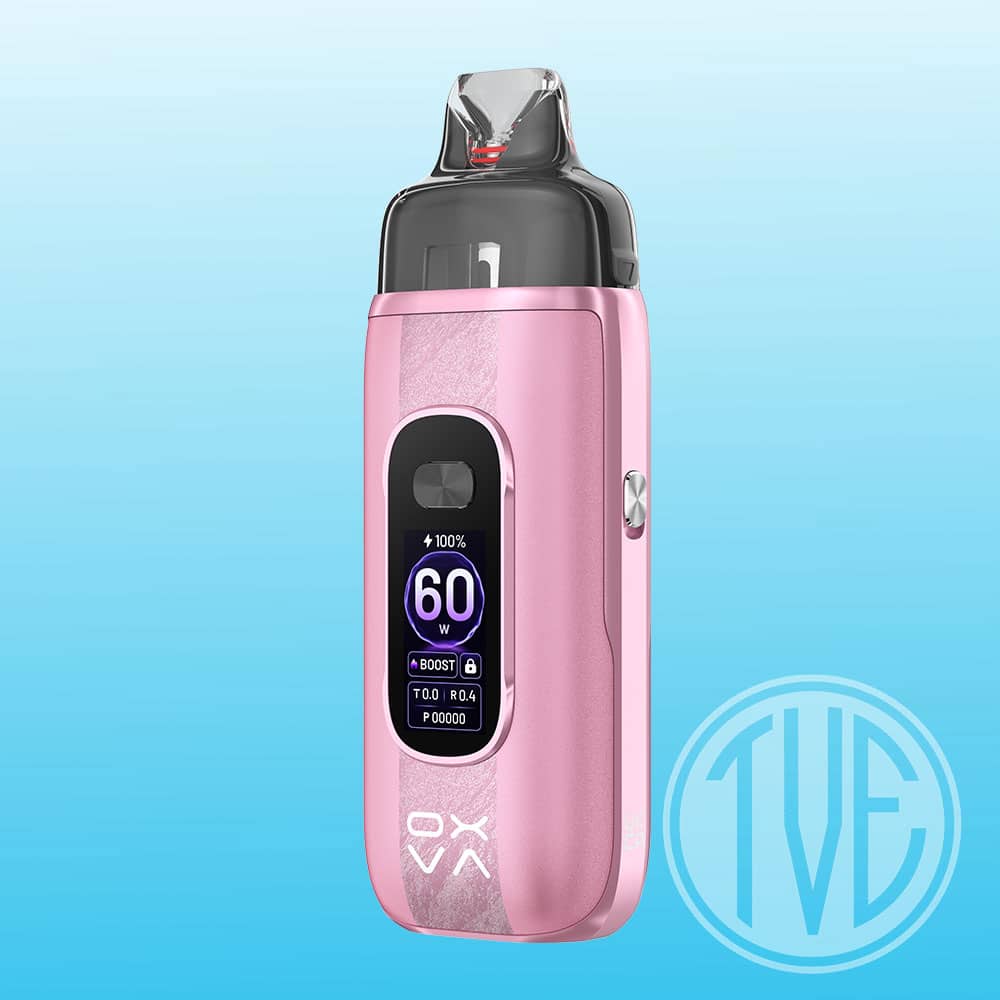
Oxva Vprime 2 Vape Kit
£29.99 -

Voopoo Argus G3 Vape Kit
£24.99 -

Geek Vape Sonder Q3 Vape Kit
£10.99 -

Oxva NEXLIM 2 Mini Vape Kit
£16.49
If It Tastes Sweet, Doesn’t That Mean Sugar?
This is another major misconception.
When you taste something sweet, your brain immediately associates it with sugar—but in vaping, that’s not the case.
There Is No Sugar in Vape Juice
Reputable e-liquids do not contain sugar (sucrose). Adding sugar would:
- Damage vape coils
- Caramelise when heated
- Be unsafe for inhalation
So Where Does the Sweetness Come From?
There are two main sources:
1. Vegetable Glycerin (VG)
VG naturally has a slightly sweet taste, even without added flavouring.
2. Non-Caloric Sweeteners
Some e-liquids use small amounts of sweeteners like sucralose, which:
- Provide sweetness
- Contain negligible or zero usable calories
- Are commonly used in diet drinks and low-calorie foods
This is why you can enjoy flavours like desserts, sweets, or drinks without any real caloric impact.
Can Vaping Cause Weight Gain?
This is where things get interesting.
Directly? No.
Vaping itself does not cause weight gain, because:
- It doesn’t provide calories
- It doesn’t trigger digestion-based energy intake
Indirectly? Possibly (in rare cases)
There are a few lifestyle factors to consider:
- Some people snack less when vaping (especially when switching from smoking)
- Others may develop a habit of vaping instead of eating sweets
In fact, many ex-smokers find vaping helps reduce cravings for sugary snacks, which could actually support weight control rather than harm it.
-
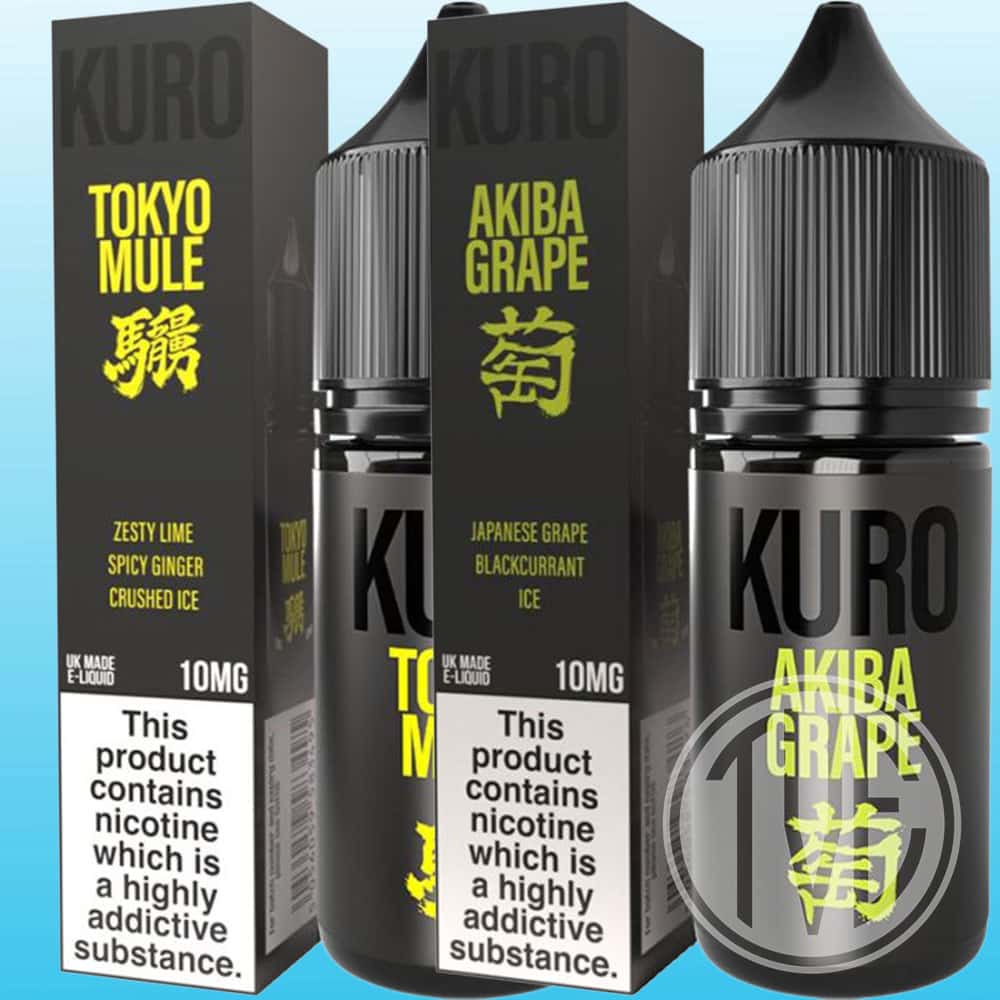 ANY 10 FOR £21ANY 4 FOR £10

Kuro (By Riot) Nic Salt Vape Juice 10ml – 10mg
£2.99 -
ANY 10 FOR £21ANY 4 FOR £10
Kuro (By Riot) Nic Salt Vape Juice 10ml – 20mg
£2.99 -

Doozy Vape Seriously Slushy Mixed Berry 0mg 100ml Shortfill
£10.99 -
 ANY 10 FOR £21ANY 4 FOR £10
ELUX LEGEND NIC SALT – 20MG
£2.99 -
 ANY 10 FOR £21ANY 4 FOR £10
Elux Legend Nic Salt – 5mg
£2.99
Does Vaping Break a Fast?
For those following intermittent fasting or calorie-controlled diets, this is a very relevant question.
The Scientific View
Since vaping:
- Does not involve ingestion
- Does not provide metabolised calories
- Does not significantly trigger insulin response
👉 It is highly unlikely to break a fast
However, strict fasting purists may still avoid anything flavoured—but from a biological standpoint, vaping does not interfere with fasting in the way food or drink would.
Are Nicotine-Free Vapes Different?
Another common question is whether nicotine changes the calorie situation.
The Answer: No
The calorie content of e-liquid comes from PG and VG, not nicotine.
So whether you’re using:
- High-strength nicotine salts
- Standard freebase nicotine
- Or 0mg nicotine-free e-liquid
👉 The calorie situation remains exactly the same: effectively zero when vaped
Why the Confusion Exists
The idea that vaping contains calories usually comes from a misunderstanding of how food science works.
People often see:
- PG and VG listed as carbohydrates
- A theoretical calorie value attached
And assume those calories behave the same way as food.
But the key difference is how the substance enters the body.
| Process | Food & Drink | Vaping |
|---|---|---|
| Enters stomach | ✔️ | ❌ |
| Digested | ✔️ | ❌ |
| Metabolised | ✔️ | ❌ |
| Provides energy | ✔️ | ❌ |
That’s why vaping doesn’t “count” in any nutritional sense.
Does Flavour Type Matter?
You might be wondering whether certain flavours—especially very sweet ones—contain more calories.
The Reality
It doesn’t matter whether you’re vaping:
- Fruit flavours
- Dessert blends
- Beverage-inspired e-liquids
- Tobacco flavours
👉 The calorie outcome is the same: zero in practice
Flavourings are used in tiny quantities and are not metabolised through inhalation.
Vaping vs Snacking: A Surprising Benefit
For many users, vaping can actually help manage cravings.
Instead of reaching for:
- Sweets
- Fizzy drinks
- High-calorie snacks
Some people find that a sweet vape flavour satisfies that urge without consuming anything.
While this isn’t a “diet strategy,” it does highlight how vaping—unlike food—does not contribute to caloric intake.
Final Verdict: Do Vapes Have Calories?
Let’s bring it all together.
- Yes, e-liquid ingredients technically contain calories on paper
- No, your body does not absorb or use those calories when vaping
The Practical Answer
👉 Vaping is effectively calorie-free and will not cause weight gain
The science is clear:
Calories must be digested to count, and vapour is inhaled—not digested.
More at The Vape Experts
At The Vape Experts, we’re committed to giving you clear, honest information alongside a wide range of high-quality vape kits, e-liquids, and disposable alternatives. Whether you’re new to vaping or looking to upgrade your setup, our team is here to help you make informed choices.
We proudly serve customers across Redruth, Truro, Newquay, Penzance, Cornwall, Poole, Dorset, Oxford, Birmingham, Derby, York, Newcastle, Edinburgh, London, Surrey and beyond, offering reliable delivery and expert support every step of the way.
Frequently Asked Questions
Does vaping break a fast?
No. Since vapour is not digested or metabolised, vaping is highly unlikely to break a fast or affect calorie intake.
Is there sugar in vape juice?
No. Reputable e-liquids do not contain sugar. Sweetness comes from VG and non-caloric sweeteners like sucralose.
How many calories are in a 10ml bottle of e-liquid?
Around 40–50 calories on paper—but these are not absorbed when inhaled.
Are nicotine-free vapes calorie-free?
Yes in practical terms. The base ingredients are the same, and none of the calories are metabolised by the body.
On sale products
-
IVG AIR PODS 2ML/2PACKS
Original price was: £4.95.£3.50Current price is: £3.50. -
SKE Crystal CL6000 Disposable Pods
Original price was: £6.99.£4.99Current price is: £4.99. -
Vaporesso XROS 5 Mini Kit
Original price was: £16.49.£14.99Current price is: £14.99. -
Oxva NeXlim Vape Kit
Original price was: £26.99.£21.99Current price is: £21.99. -
Vaporesso XROS 5 Kit
Original price was: £21.99.£18.99Current price is: £18.99.


